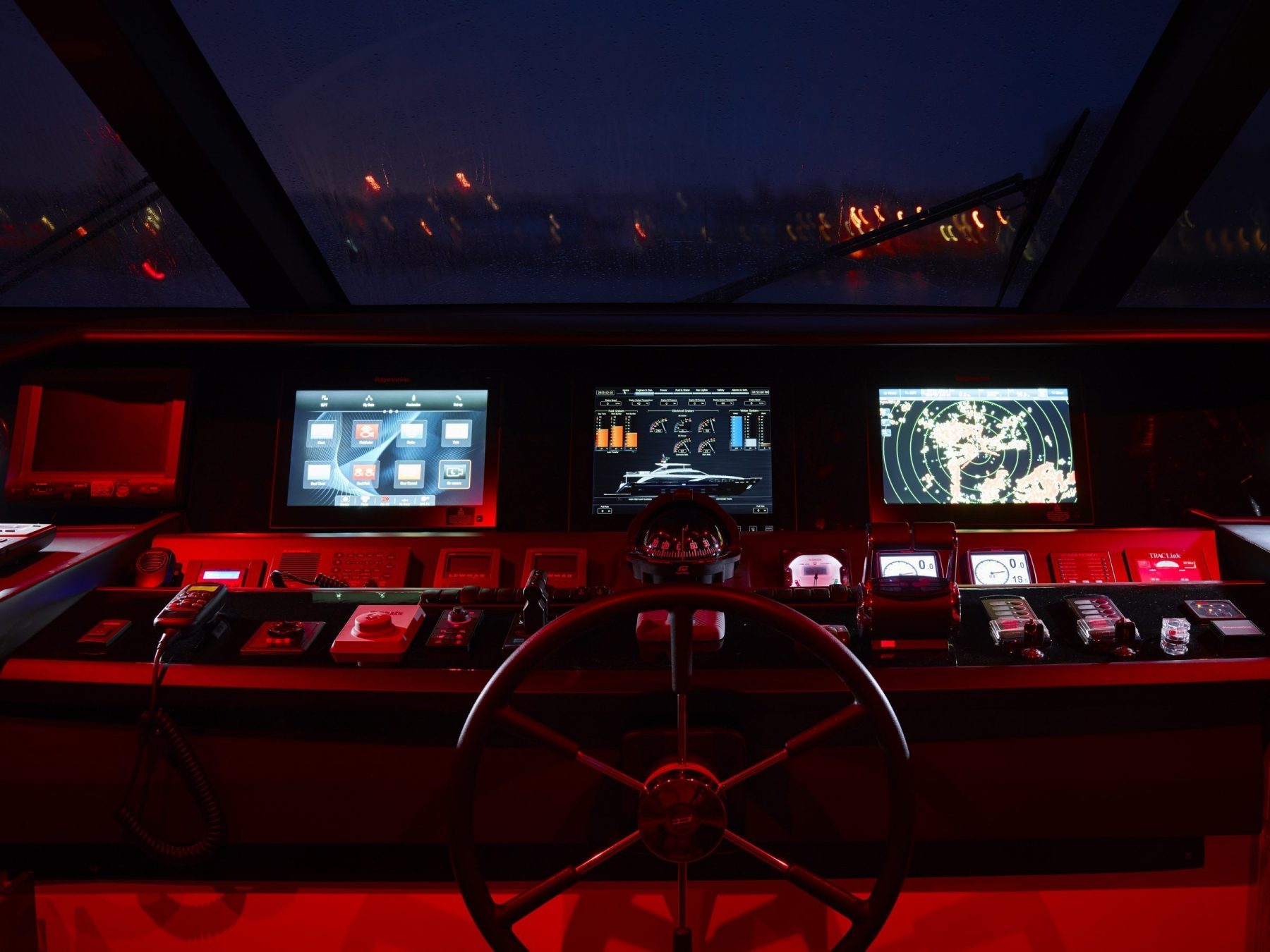
On Friday 26th October at around 7pm the 101m (332 feet) luxury megayacht Attessa IV collided with a 20m (65 feet) sports fishing boat named in news articles as 'Prowler'. The collision occurred off the west coast of the USA, around nine miles offshore from Imperial beach which is located between San Diego and Tijuana in Mexico. The Prowler was returning from a recreational fishing trip with around 17 sports fishermen on board when the collision occurred, leaving a gaping hole and massive damage to the starboard side of the fishing boat, which luckily remained afloat. The Attessa IV is reported to have suffered only minor damage. Three people were injured including 66 year old Mr Richard Neff of San Clemente who suffered serious head injuries. He was airlifted to shore by the Coast Guard and taken to hospital but sadly died from his injuries.
Why Did the Collision Occur?
Passengers from the fishing boat have justifiably asked the question: How did this collision occur?
They have expressed surprise that there were no warnings before the two vessels collided and they have asked how it was possible for this to happen when both were equipped with radar. The US coast guard is investigating the cause of the crash and will be interviewing everybody who was on board the two vessels. It is anticipated that this investigation could take several months to complete.
Collision Avoidance at Sea
Unfortunately, as our seas become ever more congested, especially in busy coastal regions, the potential for collisions increases. Alarmingly, in 2017 there were 1145 collisions involving recreational vessels in seas around the United States.
The busiest sea area around the British isles is, of course, the English Channel. The Dover straits see around 400 to 500 vessels each and every day. These are mainly commercial merchant ships including container ships, tankers, bulk carriers and car carriers along with fishing vessels and of course cross-channel ferries. A strict system of separation zones keeps this constant stream of shipping traffic flowing safely.
Venturing into these busy shipping lanes on a motor yacht requires preparation and vigilance. It also requires knowledge and understanding of what is taking place on the bridges of the various merchant vessels whose paths you will need to cross. Good seamen always maintain a proper lookout using vision, sound and of course radar. But it is worth remembering that standards on board some commercial vessels may not be as good as they might be and a busy officer of the watch may be distracted by a multitude of responsibilities. Yacht sailors also need to be aware of the visibility restrictions that exist on many large merchant ships, especially when fully loaded with containers.
It's vital that yachts use radar reflectors. Fibreglass yachts don't always create reliable radar echos which means they can be almost invisible to a ships radar. Carefully selected and properly fitted radar reflectors on your vessel will increase the radar echo intensity. This will enable a merchant ship's ARPA (automatic radar plotting aid) system to accurately track your yachts course and alert the ship's watch-keeper if you are within a certain range or on a collision course.
Night time is particularly risky for recreational vessels at sea in busy shipping lanes. Navigation lights on smaller craft can be very difficult to discern, even over relatively short distances. It is worthwhile ensuring that your navigation lights are adequately bright and are optimally mounted on your boat.
Motor yacht sailors need to remember that a merchant ship might be travelling at 20 knots and have a turning circle of many miles. If the officer of the watch does not have adequate time to take avoiding action when bearing down on your motor yacht then disaster is possible. It's worth keeping multiple anti collision flares right next to your helm position, ready for immediate emergency use if a merchant ship is getting too close for comfort.
Collision avoidance in busy shipping channels is one of the biggest challenges faced by yachts-people. It requires excellent seamanship, rigorous attention to your yachts safety equipment and an appreciation of the challenges faced by commercial shipping.